

E-Tchité: how CCI Bénin is pushing MSMEs towards digital
Website, social media, administrative management tools: the E-Tchité programme of the Benin Chamber of Commerce and Industry has already supported nearly 600 micro, small and medium-sized enterprises in their digital transition.
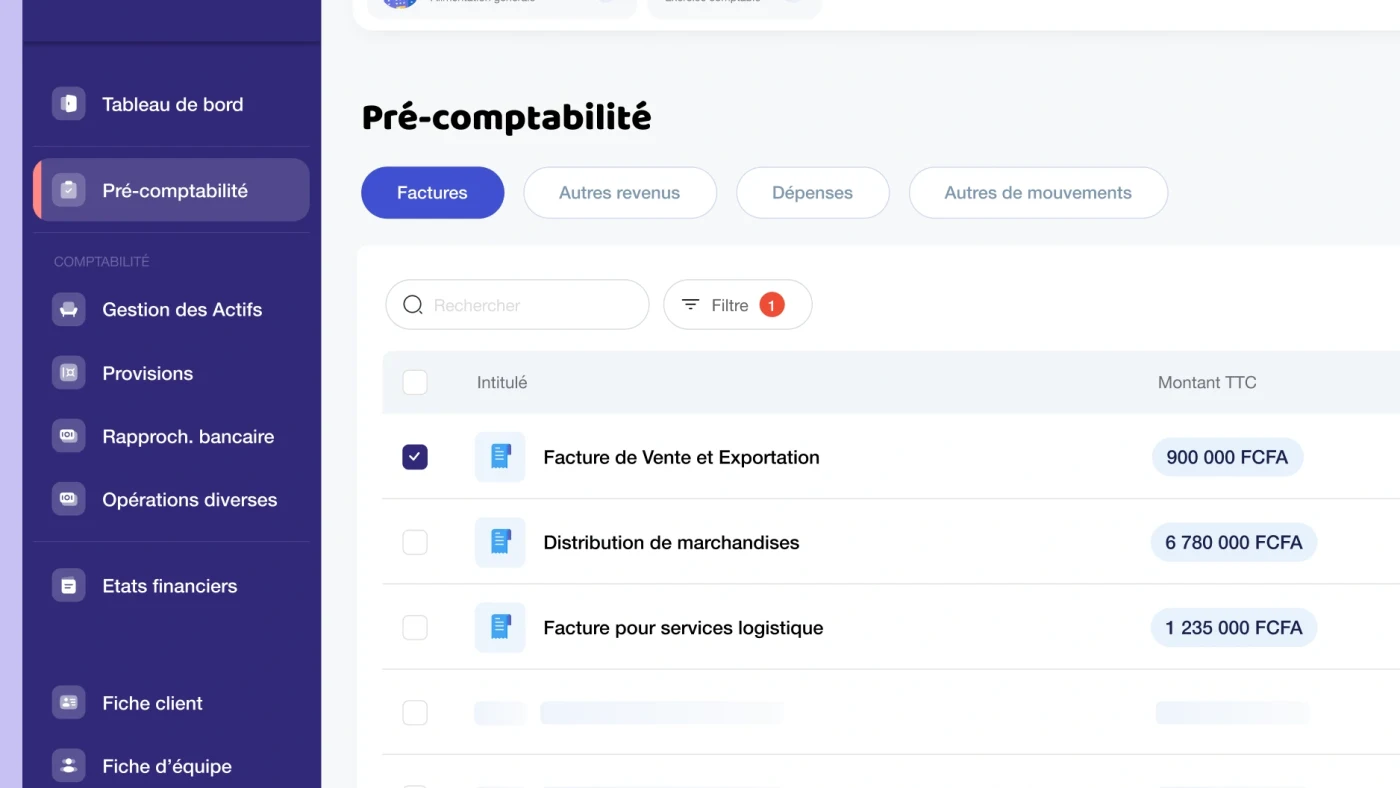
In partnership with Expertise France, CCI Bénin has set up the Micro, Small and Medium Enterprise Digitalisation Project, better known as E-Tchité. Its starting point came from experience: businesses that had already invested in digital tools and communication technologies withstood the Covid-19 crisis much better than others. The programme now aims to spread that lesson widely.
The name itself says who it is for. “Tchité” — trade, business, in everyday language — combined with the “e” of digital: the aim is not to turn small businesses into start-ups, but to equip traders, craftspeople and women processors with what technology offers that pays off most immediately for them. The nuance matters, because it explains why the programme reaches thousands of businesses where conventional innovation schemes reach a few dozen.
Communication, website, management: comprehensive support
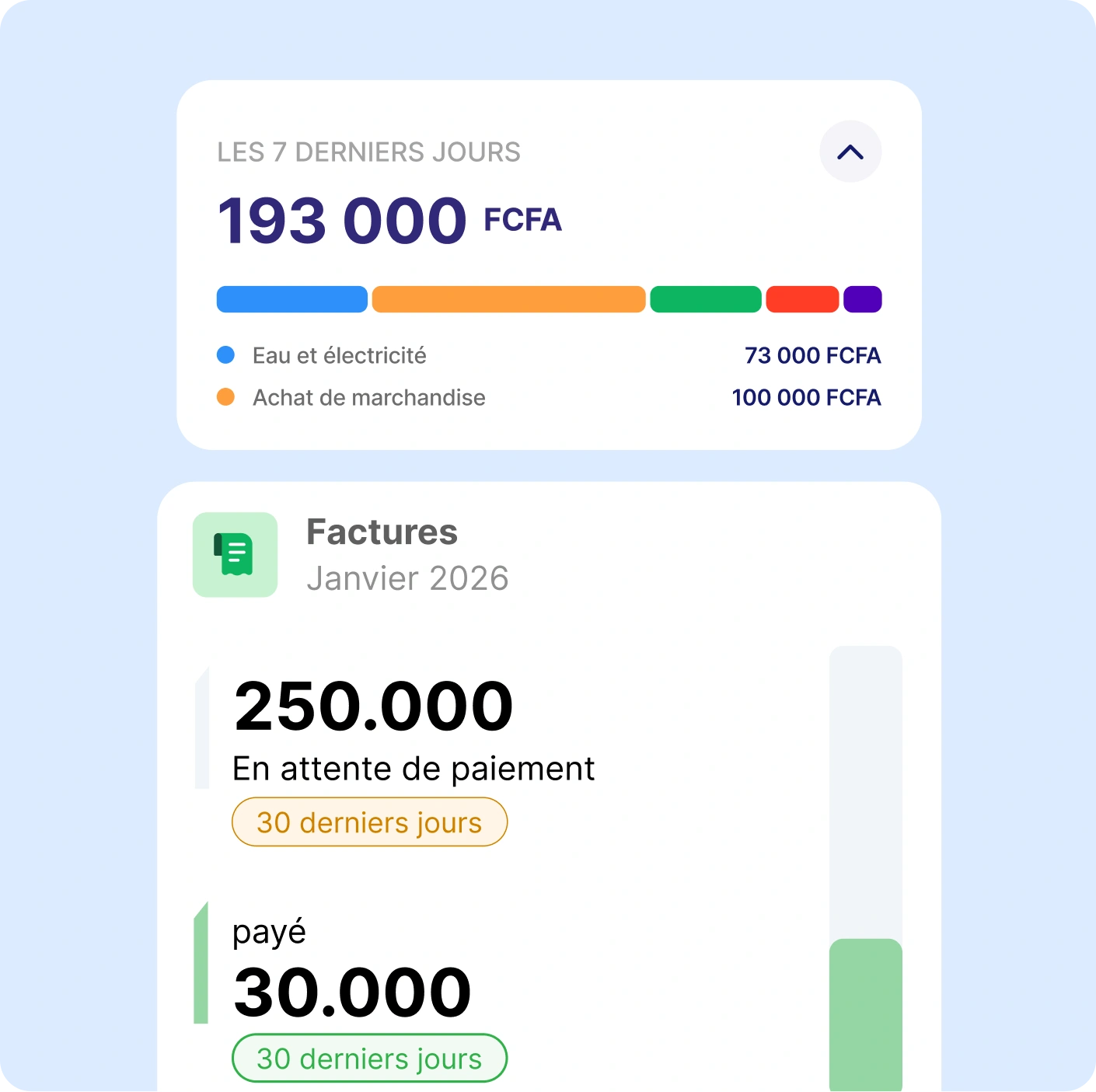
In practice, E-Tchité trains Beninese MSMEs to build their presence on social media, a cheap but effective channel to get known and increase sales. Participating businesses are also helped to create their own website and to digitise their administrative tasks and customer follow-up. The programme is coordinated by CCI Bénin through its focal points in the country’s six economic regions.
This regional presence is not an organisational detail. Benin’s digital divide is as much geographical as generational: a trader in Parakou or Natitingou does not have the same access to training, service providers and connectivity as an entrepreneur in Cotonou. Deploying focal points in the six economic regions means accepting that digitalisation cannot be decreed from the capital.
Why digital pays, very concretely
For a micro-enterprise, the return on investment of digital is measured on three levels. The first is commercial: a well-kept business page extends the customer base beyond the neighbourhood and word of mouth, at an acquisition cost close to zero. The second is administrative: digital tracking of income and expenditure produces, with no extra effort, the basic accounts that banks and funding schemes require.
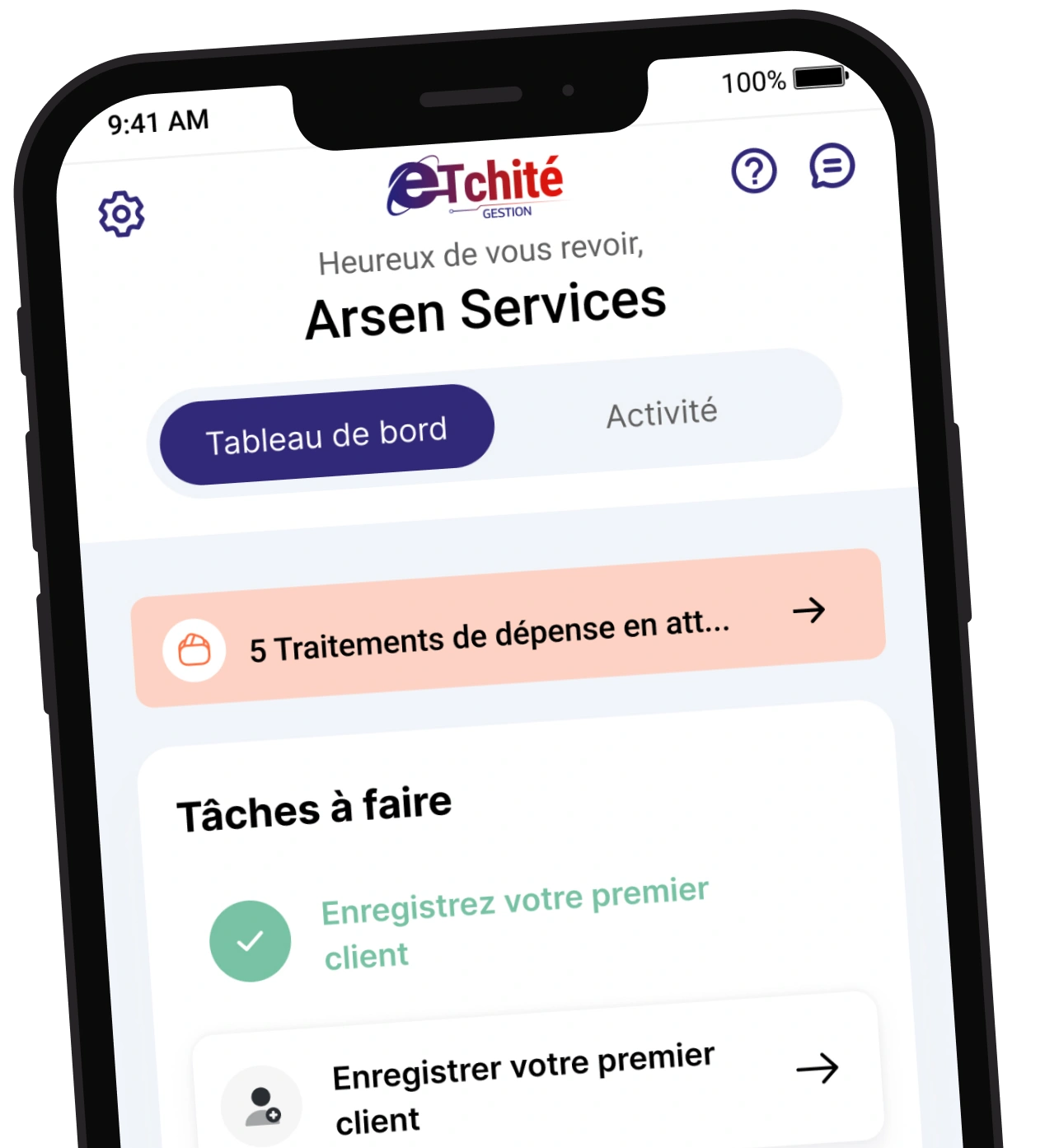
The third level is the most underestimated: traceability. A business that takes payments by mobile money and records its sales builds, month after month, a history of cash flows. This history is today the data most sought after by microfinance institutions and lending fintechs, which can base a loan decision on it where a total lack of information made any financing impossible. In other words, going digital means becoming bankable.
In figures
By the end of 2023, the E-Tchité programme had already supported 599 micro, small and medium-sized enterprises in Benin in their digital transformation, through the focal points of the six economic regions of the country — a momentum that echoes Akèda’s own mission: giving visibility to local and diaspora entrepreneurs.
Where to start if you run a small business
The classic mistake is wanting to do everything at once: website, online shop, paid advertising, management software. For a business of two to ten people, the effective sequence is much more modest and unfolds over a few months.
- An up-to-date business listing (exact name, address, opening hours, phone, photos): this is what your customers see when they look for you, even before your website.
- A conversational sales channel — most often WhatsApp Business — with a simple catalogue and quick replies. In Benin, it converts better than a poorly kept online shop.
- Digital payments via mobile money, systematically recorded. This is the building block that creates your financial history.
- A sales tracking table, even on a spreadsheet. For a funding application, it is worth all the business plans in the world.
- A website next, once the first four building blocks are running — and not before.
This is exactly the logic behind E-Tchité: start from real use rather than the tool, and support the business in the order in which the benefits arrive. An approach in line with the financing schemes described in our analysis on supporting entrepreneurs : formalisation and traceability determine access to everything else.
Key takeaways
E-Tchité does not try to turn every trader into a digital entrepreneur, but to give every business the few tools that increase its sales and make it bankable. Nearly 600 MSMEs supported by the end of 2023: it is one of the most concrete and least publicised schemes in Benin’s ecosystem.
Sources: CPCCAF, network of French-speaking chambers of commerce · CCI Bénin library · Expertise France.

Business journalism in Benin and West Africa. Write to us: redaction@akeda.media
Read next

Jean-Hugues Houinsou: the Beninese architect fixing African payments
FeexPay SAFounder of FeexPay, Benin’s first fintech licensed by the BCEAO.

AHILIDO: the platform that certifies the existence of Beninese companies
Check in a few clicks that a company has indeed been registered in Benin: that is the promise of AHILIDO, the service of the Chamber…

Les 10 DG les plus influents du Bénin
Impact économique, réalisations, emplois, positionnement : le dossier de la rédaction sur dix dirigeants qui façonnent le Bénin, et leur vision pour…
Comments (0)
Moderated before publication